REVIEW · LAKE COMO
From Lake Como or Milan: Bernina Red Train Tour
Book on Viator →Operated by Lake Como Tourism · Bookable on Viator
A day trip built around one of Europe’s best train rides is a win. This one links Lake Como (or Milan) to the UNESCO Bernina line, then threads you through St. Moritz and a few Alpine stops on the way back.
I especially like the first-class Bernina Red Train segment and the fact that you get time in St. Moritz instead of just passing through. I also like the private driver piece, since it turns the transfer into part of the fun rather than dead time.
One consideration: this is pricey, and the outdoor parts depend on good conditions, so pack for cool temps and possible rain.
In This Review
- Quick Hits: Key Things You’ll Feel Right Away
- How the Day Starts From Lake Como or Milan
- Tirano First: Getting on the Bernina Red Train
- First-Class Views: What to Expect on the Bernina Line
- St. Moritz in 90 Minutes: Walk, Pause, and Reset
- Lake St. Moritz: The Quick Trip That Feels Like the Reward
- Maloja Pass and Lake Silvaplana on the Return
- Acquafraggia Waterfalls: Worth It, But Watch the Calendar
- The Lake Como Portion: Bikes, Kayak, and a Beach Pause
- Pacing That Actually Works: A 9–12 Hour Day Without Chaos
- Weather, Passports, and What to Pack
- Price and Value: Why It Can Feel Expensive (and Why It Still Might Be)
- Who This Tour Suits Best
- Service Details You’ll Appreciate in Real Life
- Should You Book This Bernina Red Train Day Trip?
- FAQ
- What are the starting locations for the Bernina Red Train tour?
- How long is the tour?
- What train do I ride and which direction is included?
- Do I get a guided tour in St. Moritz?
- Is the tour offered in English?
- Do I need a passport for this trip?
- What stops are included on the return part of the day?
- Are the Acquafraggia Waterfalls always included?
- Is lunch included?
- What should I pack for the day?
Quick Hits: Key Things You’ll Feel Right Away
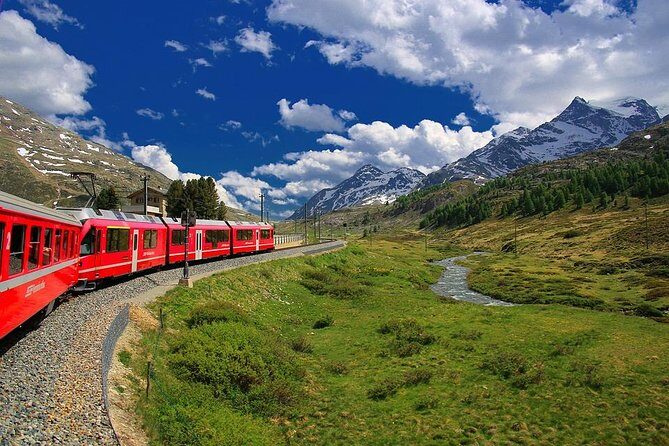
- UNESCO Bernina Red Train in first class, with major photo windows on the route to St. Moritz
- Ospizio Bernina at about 2,253 m, one of the highest points on the line
- Time to actually walk in St. Moritz plus a short transfer to Lake St. Moritz
- A scenic return drive that crosses the Maloja Pass
- Stops that add variety: Lake Silvaplana (sports lake) and Acquafraggia Waterfalls (timed/seasonal)
- A private, driver-led day designed around your group, not a big bus swarm
How the Day Starts From Lake Como or Milan
Your day begins with a private driver transfer. If you’re staying around Lake Como, pickup and drop-off from your accommodation are included, and if you’re in Milan, you choose the Milan option.
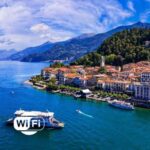
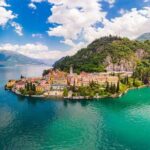
The point here is simple: you don’t have to wrestle buses or trains before the main event. Plus, the drive route takes you past famous lake towns like Varenna and Bellagio when coming from Milan, which is a nice warm-up for the scenery ahead.
If you're still narrowing it down, here are other tours in Lake Como we've reviewed.
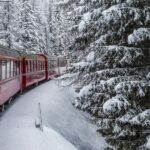
Tirano First: Getting on the Bernina Red Train
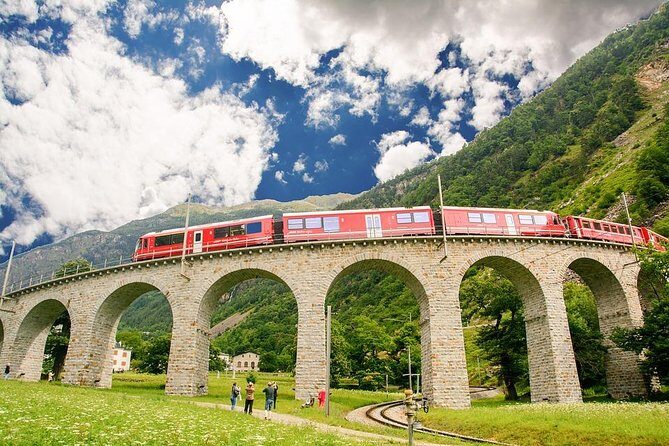
The first big stop is Tirano train station. This is where you board the Bernina Red Train for the main rail ride toward St. Moritz—and it’s not treated like a normal commuter connection. The Bernina line is a UNESCO World Heritage Site, and that matters because the trip is designed around the drama of the Alps.
You’ll take a one-way first-class ticket from Tirano to St. Moritz, with about 2.5 hours on the train. There’s time to settle in, get your camera ready, and enjoy the fact that this is scenery you watch unfold step by step rather than trying to catch from a car window at highway speed.
First-Class Views: What to Expect on the Bernina Line
The Bernina Red Train travels along a mix of villages, hamlets, rivers, lakes, and glaciers. That blend is what makes the ride feel like more than one long, straight view—there are frequent changes in what you see, especially as altitude climbs.
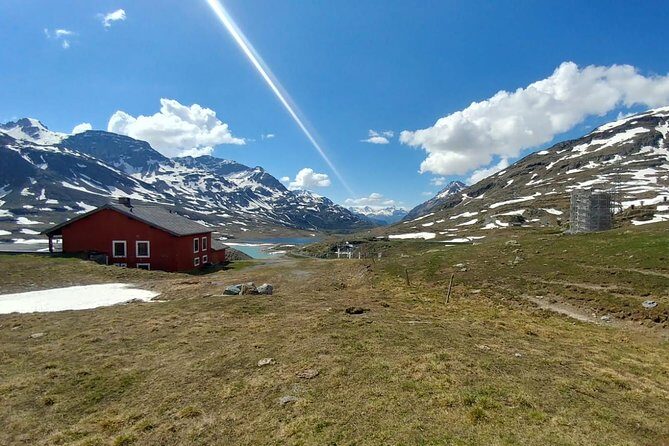
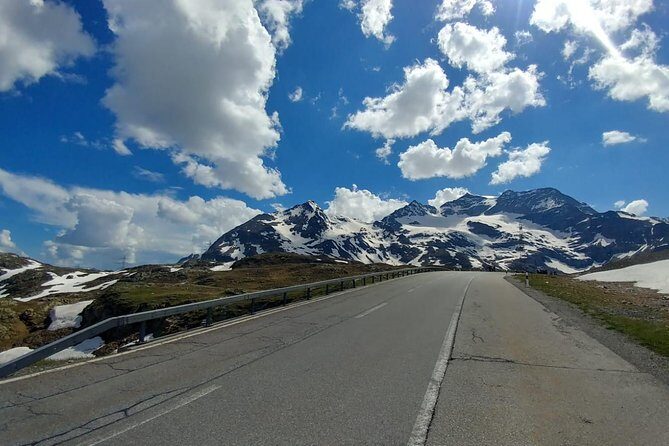
One highlight you should plan around is the Ospizio Bernina, the highest point on this segment, at around 2,253 m. Expect it to feel like the Alps are getting closer, with colder air vibes and a sharper feel to the view.
Practical note: the train is your “main stage,” so think of this as a rail day first and a shopping day second. Dress in layers, because mountain temperatures can shift fast.
St. Moritz in 90 Minutes: Walk, Pause, and Reset
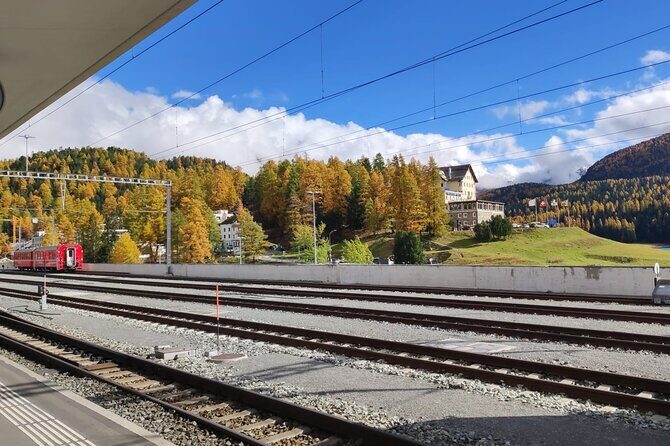
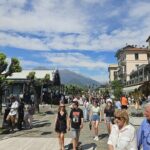
After your train ride, you arrive in St. Moritz, with about 1.5 hours for the center. This timing is short, but it’s long enough to do the basics well: grab a snack, take a slow stroll, and soak up the “Swiss Alpine town” vibe without feeling rushed into a strict schedule.
The town has a polished feel, and the tour format encourages a quiet exploration pace rather than rushing you through attractions with a guide. You can also use this window to people-watch and enjoy the contrast: big views outside, neat café culture inside.
A nice perk in the itinerary is that the tour includes an individual visit to St. Moritz. That gives you freedom to choose what fits your mood—wander, take photos, or simply enjoy a break.
Lake St. Moritz: The Quick Trip That Feels Like the Reward
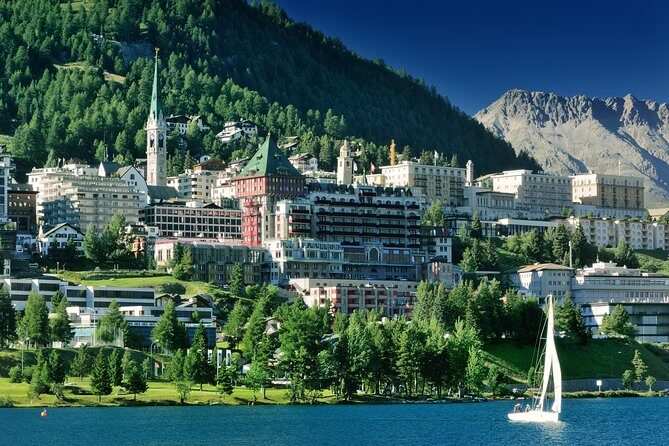
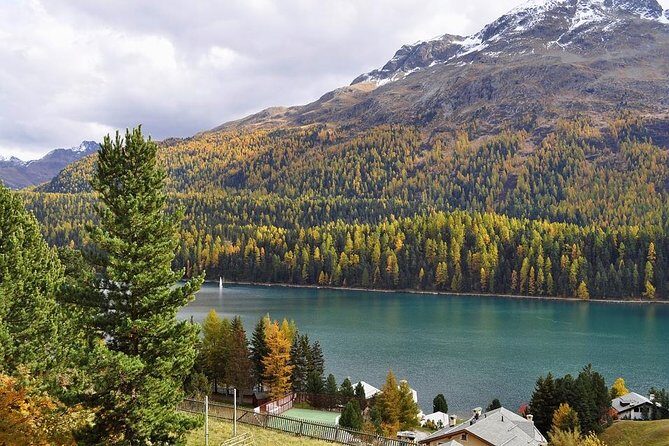
Next comes Lake St. Moritz, reached from the station via a convenient underpass. You get around 30 minutes, which sounds short until you realize this stop is about a compact payoff: lake air, clean lines of water, and an easy sense of arrival.
There’s a footpath walk option around the lake, plus you can head toward the Church of St. Charles, visible in the distance. For me, this is the kind of stop that works best when you keep it simple: put your phone away for a few minutes and let your eyes adjust to the scale.
Because time is limited, I’d treat this as a “slow walk, good photos, then onward” moment rather than trying to explore every corner.
Maloja Pass and Lake Silvaplana on the Return
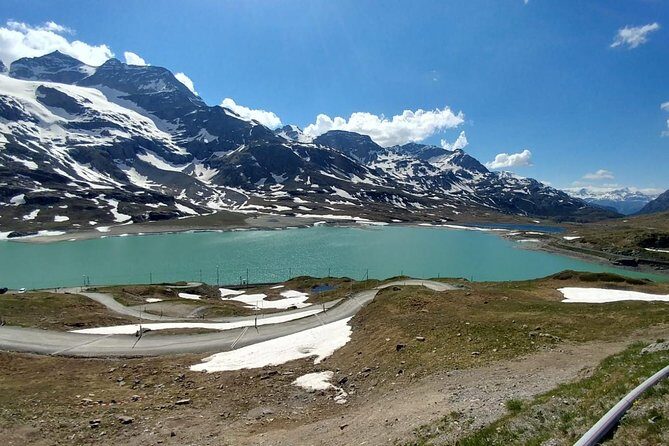
On the way back from St. Moritz by car, you cross the Maloja Pass. Even with only the road segment, this is the kind of alpine drive where you notice how the valleys open up and the air changes again. The route also breaks up the day nicely after the train, so the momentum doesn’t fade.
Then you reach Lake Silvaplana for about 15 minutes. This is a sports-focused lake in summer, known for activities like kitesurfing and windsurfing. In winter, when the lake freezes, it becomes part of cross-country skiing and winter walking trails, plus kite sports on snow.
This stop is brief, so it’s less about activities and more about understanding the place. You’re seeing why this region attracts outdoor people year-round.
Acquafraggia Waterfalls: Worth It, But Watch the Calendar
The last named nature stop is the Cascate Acquafraggia Waterfalls near Chiavenna. You’ll have a short visit of about 10 minutes during the return trip.
Here’s the one key “timing reality” you should know: the falls stop is excluded on weekends and in August. When it does run, the tour frames these falls as a major natural monument, featuring a dramatic double cascade of about 170 meters—the kind of view that feels impressive even in a quick stop.
If your trip happens during the excluded window, don’t stress. You’ll still have plenty of Alpine scenery from the train and other lake moments.
The Lake Como Portion: Bikes, Kayak, and a Beach Pause
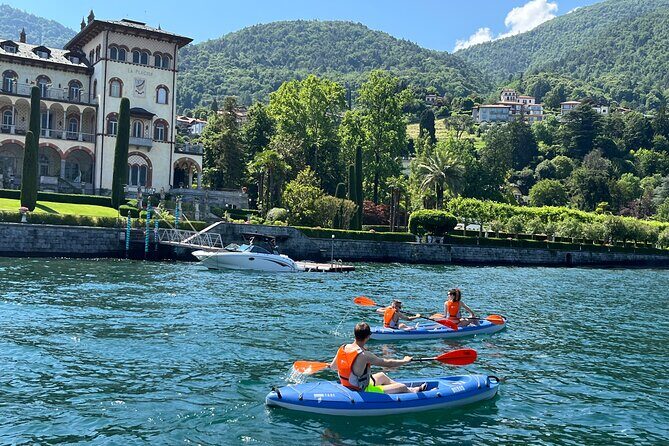
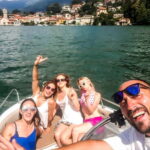
Beyond the Alps, the experience is also positioned as a Lake Como day with active breaks. The highlights mention exploring the northern parts of Lake Como from Colaco to Lake Mazzola, including a bike ride through the Pian di Spagna Nature Reserve and a kayak tour on the lake to look for spots you might miss on foot or by car.
There’s also a beach stop for time on your own, plus a lunch picnic. This part is important because it adds variety: you get a “move your body” section (bike and kayak) before the long sit-down on the train, and then you end up with a more relaxed pace when you’re eating and cooling off near the water.
Because these lake activities aren’t listed in the “included” section, I’d treat them as part of what you should confirm at booking time if you’re planning around specific gear or timing. You’ll still get the rail and the Swiss stops as described, but it’s smart to make sure the Lake Como activity portion matches what you want.
Pacing That Actually Works: A 9–12 Hour Day Without Chaos
This tour runs about 9 to 12 hours. That spread depends on where you start (Lake Como vs. Milan) and the order/timing of stops, but the structure stays consistent: transfer → rail to St. Moritz → short lake and pass stops → return drive.
The “private tour” format helps the day feel controlled. You’re not sharing the vehicle with strangers, and the plan is built around your group only.
A practical tip: plan for a long day where you’ll alternate between seated time (car and train) and short bursts of walking. Wear shoes that work for station corridors and quick footpaths near the lakes.
Weather, Passports, and What to Pack
Switzerland is involved, so you’ll need a passport to enter. That’s not a “maybe” requirement—build it into your planning.
Weather matters too. The tour notes it will be canceled in case of heavy snow, and the experience requires good weather. If it gets canceled due to poor weather, you’ll be offered a different date or a full refund.
For clothing, bring a sweater and a light raincoat in all seasons. Even in warmer months, mountain areas can feel chilly, especially around water and higher altitudes.
Price and Value: Why It Can Feel Expensive (and Why It Still Might Be)
At $922.66 per person, this isn’t a casual add-on. What you’re paying for is the combination of three costly pieces:
- A private driver with pickup/drop-off (Lake Como options) and a door-to-door approach
- First-class Bernina Red Train tickets for the main stretch
- Multiple scenic stops that keep the day from being only a train ride
Is it worth it? If you’re the type who hates rushing and hates transfers that drain the trip, yes. This format spends your energy on the views that matter—especially the UNESCO Bernina segment—and it wraps it in a personalized driving day.
If you’re traveling solo on a tight budget, it may be hard to justify. The value improves when you’re sharing the experience with your travel group and you want a “no coordination headaches” day.
Who This Tour Suits Best
This works well for:
- People who want a big Alpine highlight without dealing with multiple ticket purchases and routing problems
- Couples and families who prefer a private format with flexible photo stops
- Travelers who like a mix of small walking moments plus long scenic travel segments
It’s not ideal if you want a slow, multi-night feel. This is a day trip. You’ll see a lot, but you won’t live in the destination.
Service Details You’ll Appreciate in Real Life
The experience runs with English-speaking support, and it’s explicitly a private tour/activity for only your group. That matters because the driving and timing are designed for your party, not to fit a mass schedule.
In the feedback, a recurring strength is the personality and narration of the private driver. A driver who’s comfortable sharing stories and making photo-friendly stop points can turn the “transfer portions” into part of the memory, not just the route between sights.
Also, communication tends to be strong once you book, which reduces the stress of a long day.
Should You Book This Bernina Red Train Day Trip?
I’d book it if you want one of Europe’s most scenic rail journeys, you like structured pacing, and you’re happy paying for convenience and first-class comfort. The Bernina Red Train part is the anchor, and the St. Moritz + Lake St. Moritz stops make it feel like more than a quick scenic ride.
I’d hesitate if your budget is tight or if you’re unsure you’ll enjoy a full day of moving from train to car to short lake walks. Also, if you’re traveling without passport-ready plans, don’t wait—Switzerland is part of the deal.
If weather is good, this is the kind of day that leaves you with lasting photos and a real sense of how the Alps “feel” when you experience them from the windows of a UNESCO train.
FAQ
What are the starting locations for the Bernina Red Train tour?
Pickup is included for accommodations located on Lake Como. If your accommodation is in Milan, you’ll need to select the Milan option.
How long is the tour?
The duration is approximately 9 to 12 hours.
What train do I ride and which direction is included?
You ride the Bernina Red Train in first class for a one-way ticket from Tirano to St. Moritz.
Do I get a guided tour in St. Moritz?
No tour guide is included. You’ll have an individual visit time in St. Moritz.
Is the tour offered in English?
Yes, the tour is offered in English.
Do I need a passport for this trip?
Yes. A passport is required to enter Switzerland.
What stops are included on the return part of the day?
You’ll visit Lake Silvaplana and you may visit the Acquafraggia Waterfalls on the way back, depending on timing.
Are the Acquafraggia Waterfalls always included?
No. The falls visit is excluded on weekends and in August.
Is lunch included?
No. Lunch is not included.
What should I pack for the day?
Bring a sweater and a light raincoat. The tour can be canceled due to heavy snow, and it requires good weather.